AI — The New Frontier
Introduction
Just five years ago, AI was primarily associated with military advancements. No one would have predicted it would become an integral part of our daily lives. From image generation to complex problem-solving systems, AI is reshaping our world at an unprecedented pace. But what does this mean for us, and more importantly, for our children? Let's dive into this new field and explore its implications for education, progress, and human potential.
AI is already influencing various aspects of our lives, often in ways we don't immediately notice. For instance:
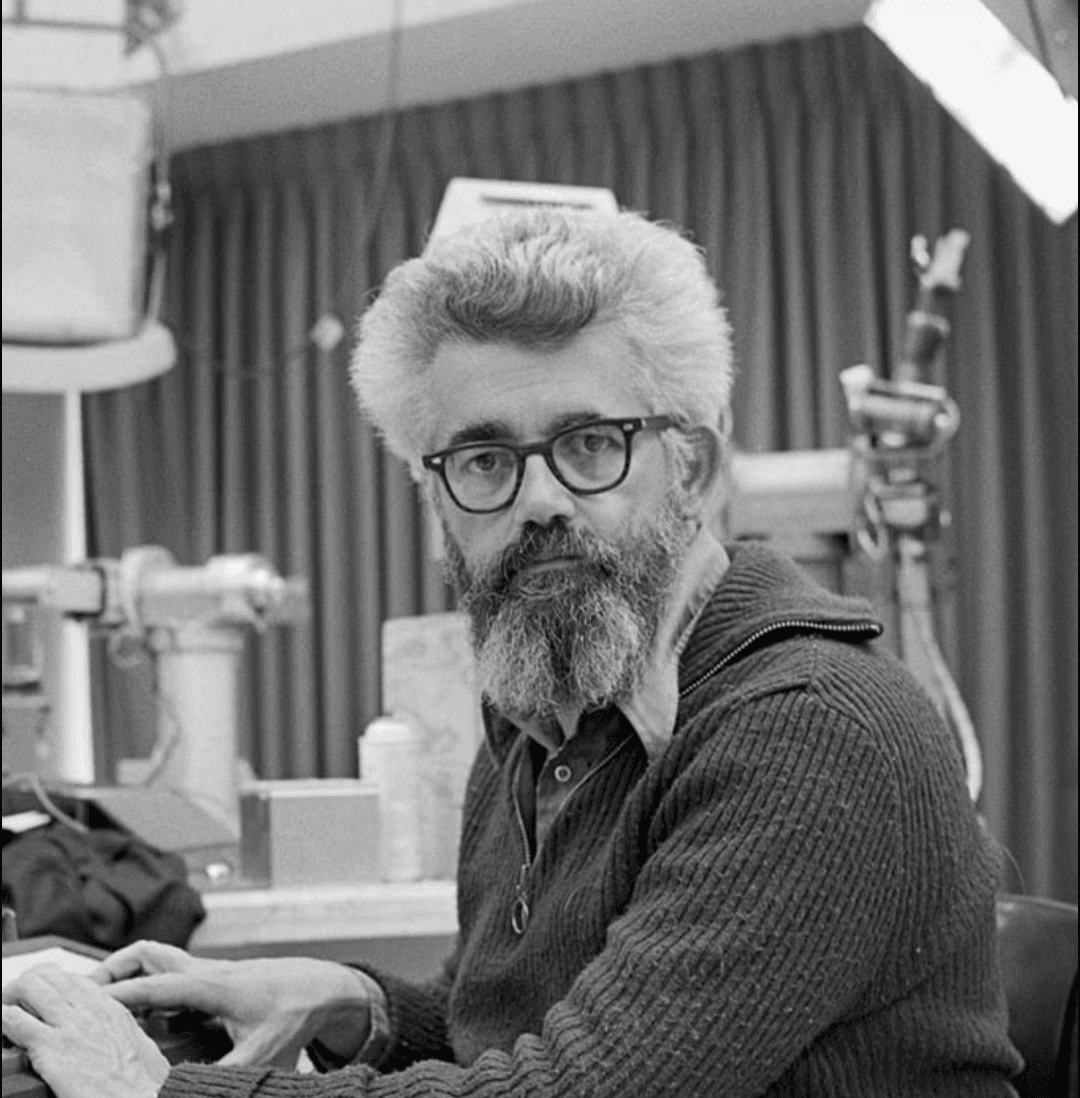
John McCarthy, who coined the term “Artificial Intelligence”
'Always inventing, inventing, inventing': McCarthy at work in his artificial intelligence laboratory at Stanford (AP)
“...as soon as it works, no one calls it AI anymore.”
We use AI all the time in our daily lives, but we often don't realize it's AI. For example, it predicts the next words when you write a message on your smartphone. But how did it get so good?
At its core, AI is still just predicting the next word. But the scale of this "prediction" is so large that it begins to mirror our own reasoning process. When we apply logic, we do it through our own network of concept connections, which is reflected in our language.
To understand how AI predicts text, try the following interactive token predictor:
Interactive Token Predictor
Next Token Prediction Simulation
So, is AI just a "fancy autocomplete"? It's actually a much deeper question than it seems. Predicting the next word effectively means understanding the underlying reality that led to its creation. It's not just about statistics—or is it? To truly grasp those statistics and compress them, AI needs to understand the aspects of the world that generate these patterns.
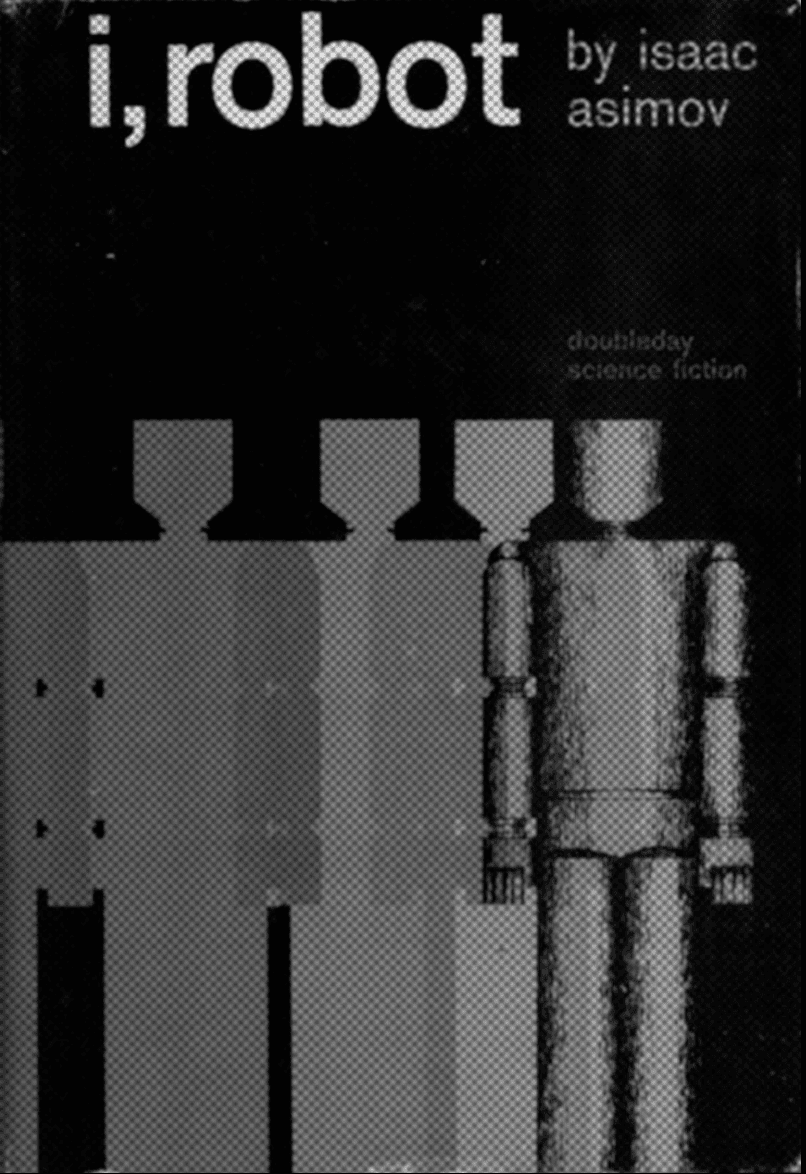
I, robot, Asimov book took place on 2035
Let's explore this concept further with the following video:
The Evolution of AI: From Chess to Go
AI's journey has been nothing short of remarkable. Let's trace its path through some landmark achievements that have redefined what we thought possible.
From defeating chess grandmasters to mastering the game of Go, AI has continuously surpassed our expectations.
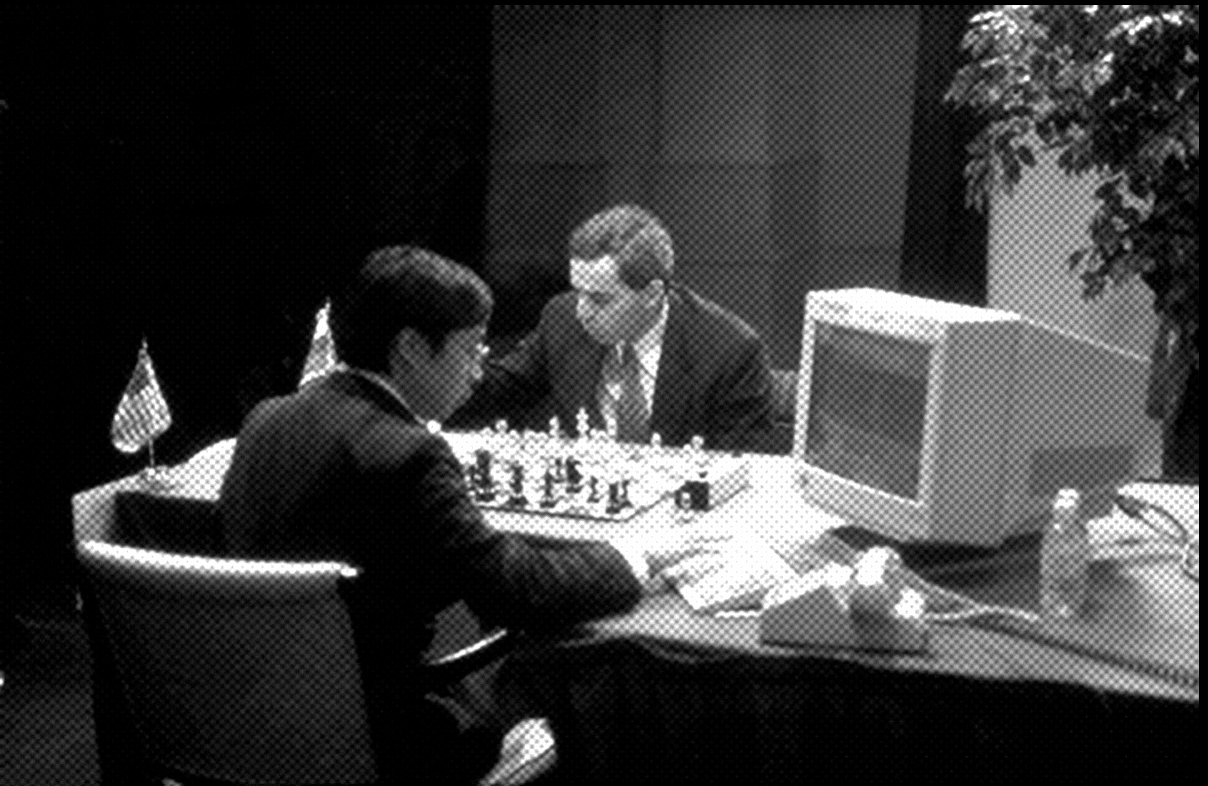
Deep Blue beating Kasparov.
Nobody really thought that was possible before that.
1997 —Garry Kasparov vs. Deep Blue — At the end of the match, Kasparov remarked, to the delight of the IBM team: "In certain kinds of positions it sees so deeply that it plays like God."

Watson winning Jeopardy.
In a televised Jeopardy! contest viewed by millions in February 2011, IBM’s Watson DeepQA computer made history by defeating the TV quiz show’s two foremost all-time champions, Brad Rutter and Ken Jennings.
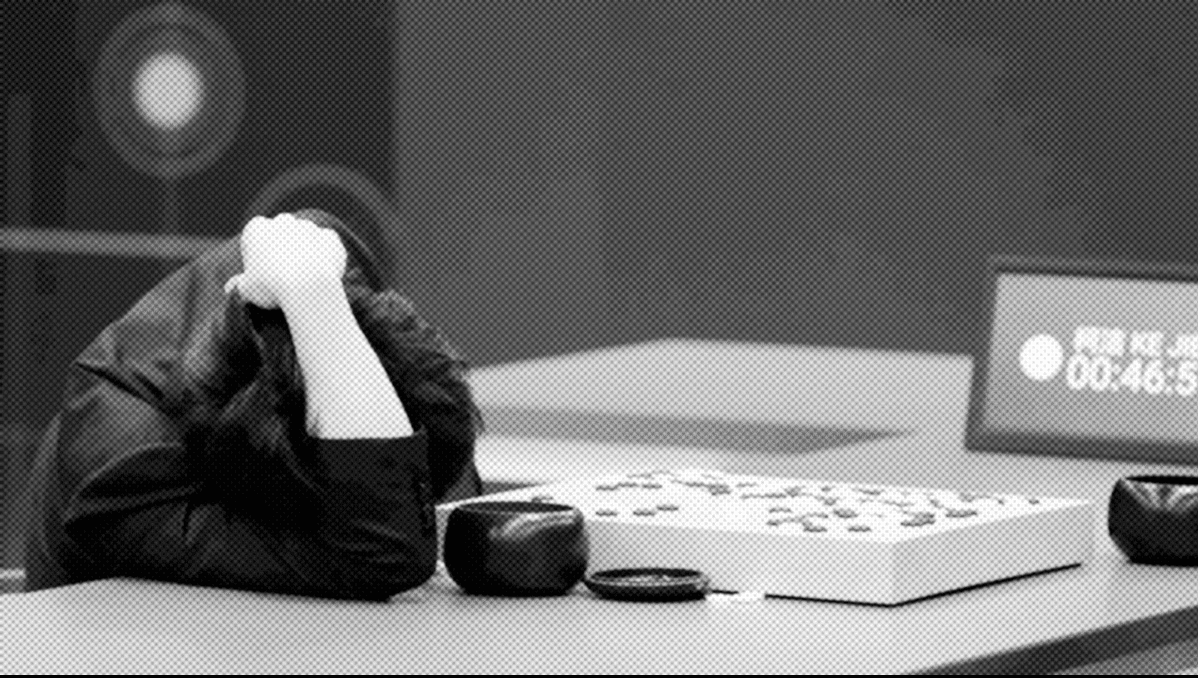
Google AI defeats human Go champion.
The key point is that AlphaGo used a technique called deep reinforcement learning, allowing it to learn and improve by playing millions of games against itself.
2017 - Google’s DeepMind AlphaGo artificial intelligence has defeated the world's number one Go player Ke Jie.

If you read about what Thomas Watson Jr. did…
was all about automating tasks.
This raises the question: Is automating tasks considered AI? While perhaps not by today's standards, it's in the same neighborhood. This perspective makes AI feel more like an evolution than a revolution.
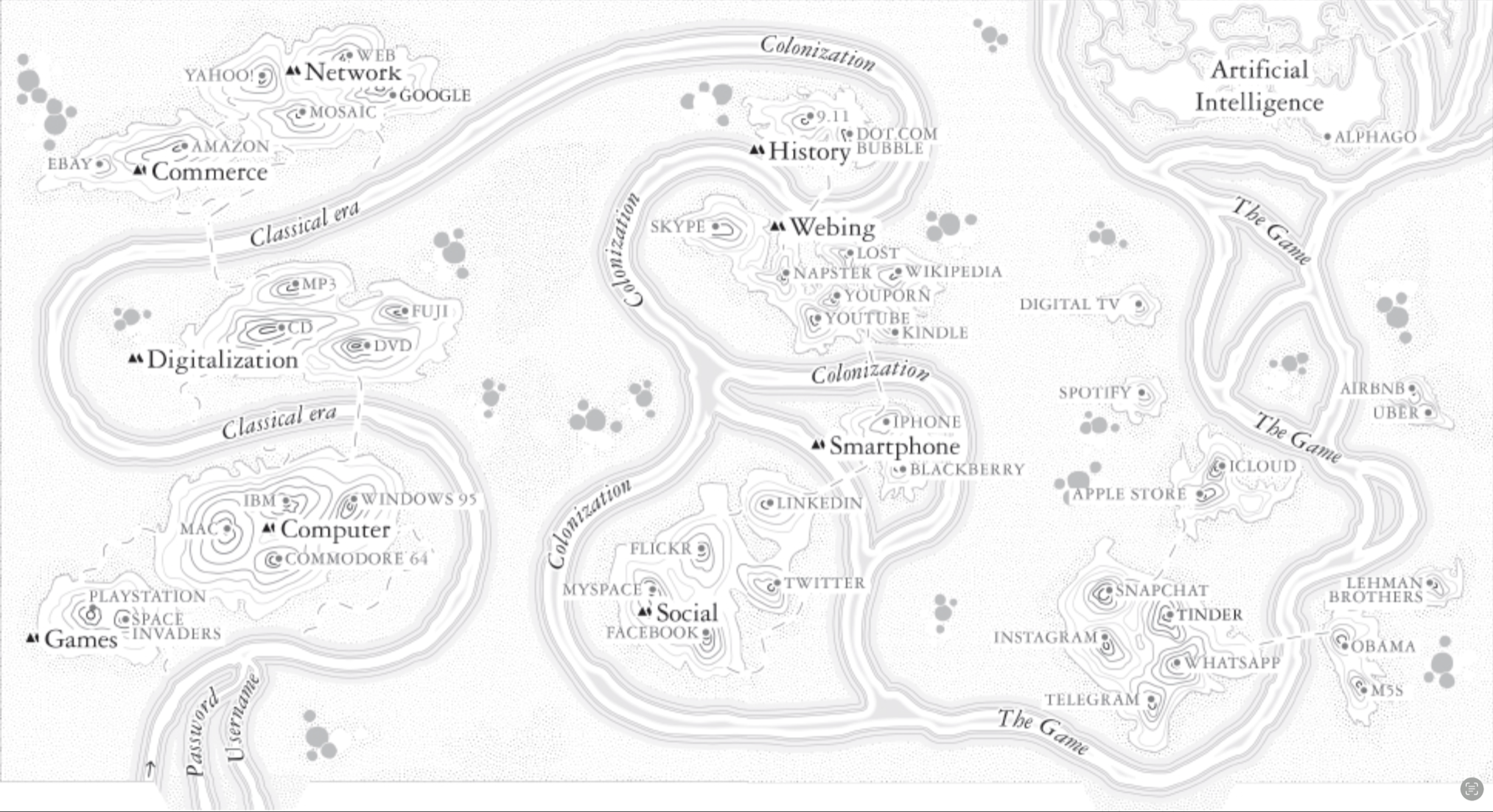 The Game: A Digital Turning Point - 2018
Alessandro Baricco.
The Chair: A Metaphor for Progress
Until now, no object we've designed has had emergent properties. A chair remains a chair; it doesn't transform into a vehicle that takes you places a week later. Let's also recall that humans haven't changed structurally in 70,000 years.




A chair in 1600 is the same chair as it is in 2024.
This metaphor aims to illustrate that while our creations have evolved in design, their fundamental functions have remained consistent—until now. With AI, we're entering a realm where creations can develop emergent properties, changing and learning beyond their initial programming.
The Pace of Progress
As we embrace these new technologies, it's crucial to understand how they fit into the broader context of human progress. The pace of change is not just advancing—it's accelerating at a rate that challenges our very perception of time and progress.
What once took millennia now happens in centuries, then decades, and now even years. For instance, it took humanity thousands of years to progress from the agricultural revolution to the industrial revolution. Yet, from the industrial era to the digital age, it took only about 200 years. The smartphone, which has transformed how we communicate and access information, has become ubiquitous in just over a decade.
Human Progress
Time and perceived human progress over time.
Despite these rapid advancements, society often takes time to adapt and fully integrate new technologies. This lag can be seen in various aspects:
Laws and regulations frequently struggle to keep up with technological innovations, leading to gray areas and ethical dilemmas.
This discrepancy between the rapid pace of technological progress and the slower rate of societal adaptation can create challenges. It emphasizes the need for proactive efforts to understand and integrate new technologies responsibly.
Consider the example of the internet. While it became widely accessible in the 1990s, it has taken decades for society to grapple with its implications on privacy, communication, and information sharing. Similarly, AI is advancing rapidly, but our understanding of its ethical use, impact on employment, and role in daily life is still evolving.
New AI models are being released at the rate of more than one a week. This is a unique point in time.
How We Perceive Progress
Human Progress
Time and perceived human progress over time.
However, these perceptions don't capture the exponential nature of technological advancement. Innovations build upon each other, leading to faster and more significant breakthroughs in shorter periods.
Human Progress
Time and perceived human progress over time.
The curve goes through three phases. Slow growth, Rapid growth, Paradigm mature.
Understanding this acceleration is crucial, especially when considering how AI might evolve and impact our lives in the near future. It challenges us to rethink our expectations and prepare for possibilities that once seemed like distant science fiction.
Not Perfect: Understanding AI's Limitations
While AI's capabilities are impressive, it's crucial to understand its limitations. This knowledge is key for parents and educators guiding the next generation in an AI-driven space.
Large Language Models (LLMs) will always give you an answer. They always go to the next probable token, filling the gap, unless you explicitly tell them not to and ask for more input to proceed. So, in the end, you need to know what you're talking about. Otherwise, it will perform what is called a "hallucination" as they intend to predict tokens.
Here are some key limitations to keep in mind:
Lack of true understanding
AI processes information based on patterns, not genuine comprehension.
Bias in training data
AI can perpetuate and amplify existing biases present in its training data.
Inability to adapt to novel situations
AI struggles with scenarios it hasn not been trained on.
Lack of common sense reasoning
AI can make nonsensical mistakes that humans would easily avoid.
Ethical considerations
AI can not make moral judgments or understand the full implications of its outputs.
Note: Keep in mind that these problems will likely be addressed in new models sooner or later.
As with other technologies, the key is balancing the use of our brains—having basic knowledge, research, and critical thinking skills—with making use of technologies.
Understanding these limitations helps us use AI tools more effectively and responsibly.
The End of the Computer as an Object

Andre Agassi and Boris Becker -
He detected that Becker made a gesture with his mouth when he was going to serve to one side.
With AI, we encounter phenomena that detect signals imperceptible to us—signals we're not even looking for.
For example, there's an AI that, by detecting subtle cues, can win at rock-paper-scissors every single time.
This video illustrates how AI can interact with us in increasingly human-like ways.
Picture the effort we'll need to make to be more appealing to our children than an AI entity—it is going to be significant.
This level of constant availability is not a human characteristic. In a world where adolescents are increasingly withdrawing from physical interactions, having a personal AI like GPT could intensify this trend, potentially leading to greater isolation and reliance on virtual interactions.
However, it's important to recognize that AI is unlike any other technology we've encountered before. Its potential is truly unlimited, and it is poised to touch every single business sector, including education. This unprecedented reach means that AI could also offer solutions to some of the challenges it presents.
LLMs, for instance, have recently caught everyone's attention because they have direct applications for consumers. They can serve as personal tutors, creative partners, or even companions, transforming how we learn and interact with information.
But shall we expect these improvements to continue at this astonishing pace? That is the big question. Nobody truly knows. There's even a term now—"the AI year"—which suggests that what used to take a year now happens in a week. This rapid evolution challenges our ability to predict and adapt, highlighting the urgency for thoughtful engagement with these technologies.
Education in the Age of AI
We need to accept that these models are here to stay and here to assist. Curious kids will use them to augment their learning; others might use them to circumvent effort wherever possible. It's going to help or hurt depending on the situation—not universally good or bad for everyone:
- You're a seventh-grade student who struggles to keep up in math. But now, you have an AI tutor by your side.
- Alternatively, you're a seventh-grade student who struggles to keep up in math. But now, you have an AI that solves it for you.
In the end, it comes down to parenting, like it always does. Using these tools isn't cheating—it's the way these problems will be solved in the real world after school.
Let's see how AI can be integrated into learning with the following video.
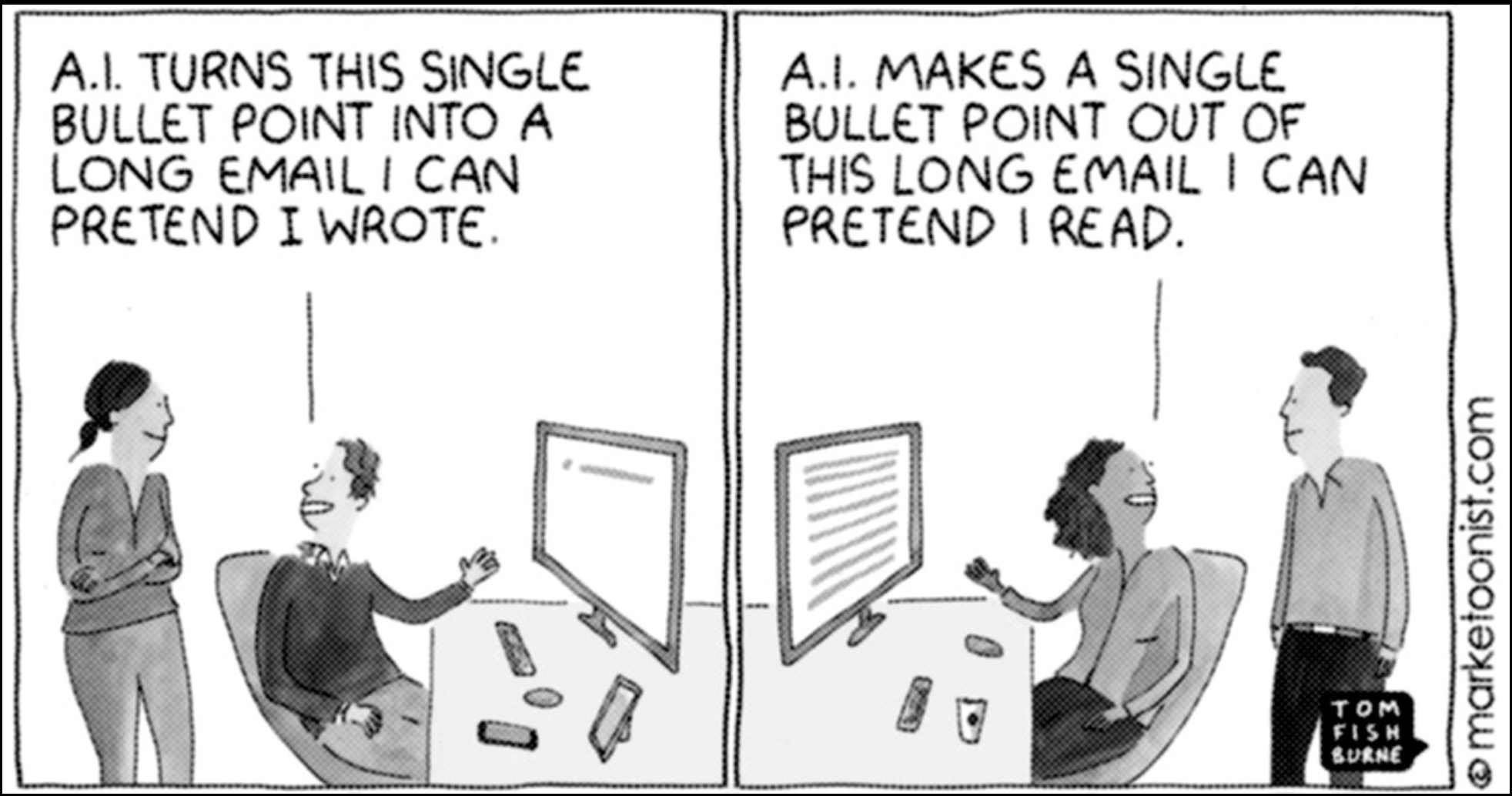
Many people find writing and math challenging, often more so than they're willing to admit. This reluctance to engage with these subjects is concerning because the ability to write is closely linked to our capacity for critical thinking. As we increasingly rely on AI tools for writing tasks, we risk diminishing our own cognitive skills.
In Silicon Valley, there's a saying: it's safe to bet on laziness, and the rapid adoption of AI writing assistants may be one of the biggest such bets we've seen. This shift is happening now, and we're in uncharted territory – we likely won't fully understand the consequences until they've already taken root.
It's a wait-and-see situation, but we can't afford to be passive. Instead, we need to be proactive in educating our children about these tools. It's crucial to teach them not just how to use AI assistants, but when and why to use them effectively. By doing so, we can help ensure that these tools enhance rather than replace their own thinking and writing abilities
When information is immediate and mental math unnecessary, learning to think and discern is more important than ever. In the end, it's just a tool—like calculators. Having the ability to do math is valuable, but once you know how to do it, there's no need to avoid just using a calculator. There is value in understanding how to do the math without using a calculator.
Math, in the end, is the challenge of learning to do hard things.


Andrej Karpathy Eureka Labs, a new AI+Education company.
Resigned OpenAI a month ago. (July 17 - 2024)
He recently tweeted:
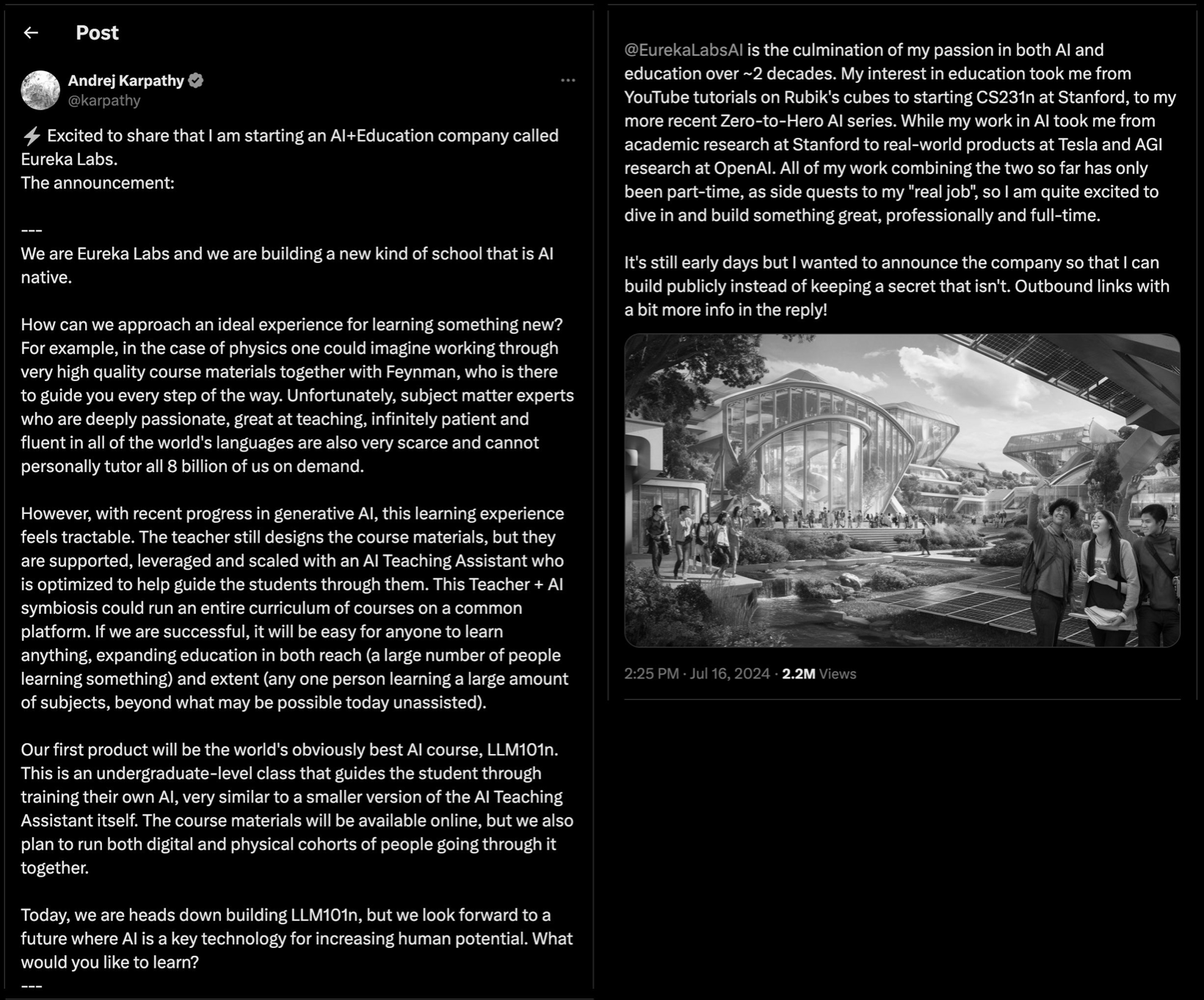
Most students would use these tools to avoid work and get projects done with minimal effort, versus the utopian view of an AI assistant to expand horizons and improve existing output.
We'll spend much more of our time thinking about what to build, and much less on the repetitive "how" of building it.
Kids are going to grow up with—we could use various terms: assistant, friend, coach, mentor, tutor—but kids are going to grow up in this amazing back-and-forth relationship with AI.
With AI assistants handling the mundane stuff, teachers can focus on what they do best: inspiring students, building relationships, and making sure everyone feels seen and supported—especially kids who need a little extra help.
Why the Effort: The Value of Struggle in Learning
"Any fool can know. The point is to understand." — Albert Einstein
Why would we focus hard on anything when we can just offload it to the AI? Some people might say that's great—that maybe focusing isn't a skill that's needed anymore, which is questionable if true. But if we grew up as students and we could offload our work to an AI often, we might never have learned to focus deeply on anything. Additionally, things tend to "stick" when you have to really work at them. If you have to work something up, and you ask the AI to work it up, and it's done in five minutes, you probably won't remember that project in a few months days.
But if you have to struggle with that problem for hours because it's not working and you have to actually dig in and understand it, then you will remember it, and you will have learned more.
Let's consider some real-world examples:
Think about times when you've struggled with a problem, only to have a breakthrough. That feeling of accomplishment and deep understanding is irreplaceable.
While tasks like debates and oral in-person exams still require active participation and can effectively promote deep understanding, many written assignments and project work that involve access to devices are now easily completed by AI. This poses a significant challenge in ensuring that students genuinely engage with the material and develop critical thinking skills.
For the same reason we don't give children calculators when they're learning basic mathematics, we should be cautious about allowing AI to be used for foundational critical thinking exercises. The learning process requires effort and direct engagement to build essential skills, and relying on AI too early can impede this development.
The core issue is that AI can make it appear as though a student has thought critically without them having actually done so. It can generate well-crafted essays or problem solutions that seem insightful, but without the student's own cognitive effort, the essential growth in critical thinking is bypassed.
Understanding Generational Technology Usage
This challenge is further compounded by the varying levels of technology adoption across different generations. The following diagram illustrates how each generation engages with technology, highlighting the increasing dependency on devices and AI among younger generations.
Generational Technology Usage
Sankey diagram showing the distribution of technology usage across generations.
The Sankey diagram above shows that Gen Z and Gen Alpha exhibit significantly higher dependency on smartphones, social media immersion, and AI usage compared to older generations. For instance:
- Gen Z: High levels of smartphone dependency and social media immersion.
- Gen Alpha: Notable engagement with AI and smart devices, as well as virtual learning environments.
This increased immersion in technology among younger generations underscores the importance of guiding them in developing critical thinking skills amidst abundant technological assistance.
With younger individuals being more intertwined with technology than ever before, it's crucial to address how AI tools might inadvertently hinder the development of essential cognitive abilities if not used thoughtfully. By understanding these generational differences, parents and educators can tailor their approaches to ensure that technology serves as a tool for enhancement rather than a crutch that impedes growth.
Conclusion: Navigating the AI Future
As we stand at the threshold of an AI-driven future, it's clear that the technology brings both immense opportunities and significant challenges, especially in the realm of education.
Key takeaways:
AI is here to stay...
and will continue to evolve rapidly
Understanding AIs capabilities
and limitations is crucial.
The value of struggle in learning remains essential
even in an AI world.
We must teach children
how to use AI tools effectively and ethically.
Critical thinking and creativity
will become even more important skills.
As parents and educators, our role is to guide the next generation in harnessing AI's power while maintaining their uniquely human abilities to think, create, and empathize. By striking this balance, we can ensure that AI enhances rather than replaces human potential.
The future is not set in stone. It's up to us to shape how AI integrates into our lives and our children's education. Let's embrace this challenge with curiosity, critical thinking, and a commitment to nurturing the best of both human and artificial intelligence.
At home